


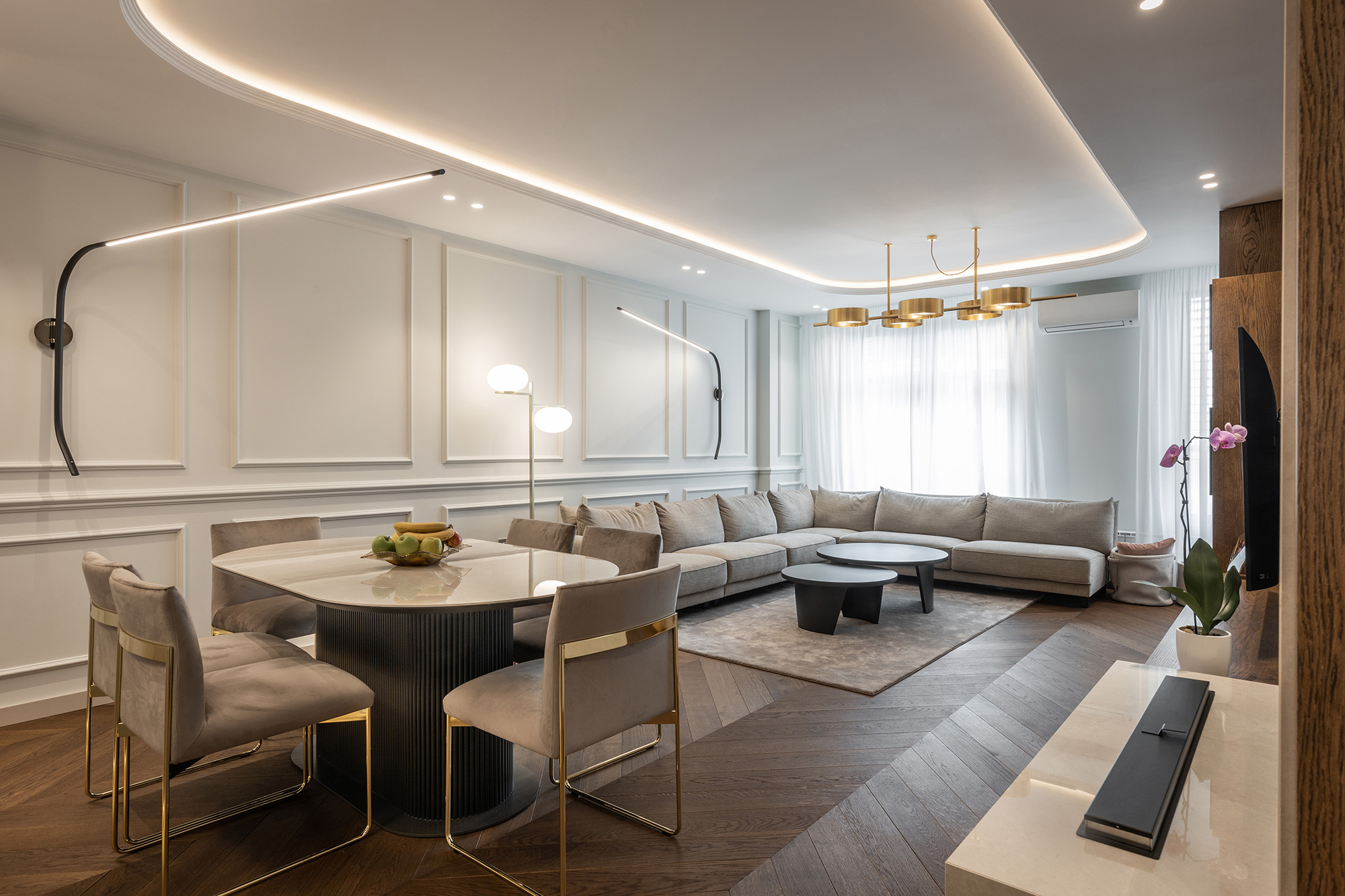
When several rooms connect to one another, the flooring you choose can have a major impact on how the entire space feels. Instead of treating each room as a completely separate area, you can use hardwood flooring to create a natural visual connection. This approach can make connected spaces feel more balanced and intentional while allowing each room to maintain its own purpose.
Before choosing a style, explore the hardwood flooring options available for the home. If you are comparing materials for different areas, you can also look at luxury vinyl flooring options to see how different flooring styles can work within connected spaces.
Start With the Overall Layout
Open layouts, wide doorways, and connected hallways can make multiple rooms feel like part of one larger space. When you can see flooring from one area while standing in another, differences in color, pattern, or material become more noticeable.
Hardwood flooring can help simplify this visual transition. Using a consistent flooring style through connected areas gives the eye a continuous surface to follow, which can make the overall layout feel more organized.
Use Color to Connect Different Spaces
The color of hardwood flooring can influence how easily rooms relate to one another. You can choose a finish that complements the colors already present in adjoining spaces, including walls, furniture, cabinetry, and other design features.
You do not have to match every element perfectly. Instead, look for shared undertones and complementary shades. A consistent warm or cool color direction can help different rooms feel connected without making the design look repetitive.
Let the Flooring Guide the Eye
The direction in which hardwood flooring is installed can also contribute to visual flow. In some layouts, running the flooring in the same general direction through connected rooms can create a stronger sense of continuity.
You can also use the flooring direction to emphasize the length or width of a particular area. Thinking about sightlines before installation can help you create a more intentional appearance throughout the connected spaces.
Keep Room Transitions Natural
Connected rooms do not always need completely different flooring materials to establish separate areas. You can define spaces through furniture placement, lighting, rugs, and décor while allowing the hardwood flooring to provide a consistent foundation.
This can be especially useful in homes where the living room, dining area, kitchen, and hallway are visually connected. A cohesive floor can help these areas work together while the furnishings give each space its own character.
Create a Cohesive Foundation
Hardwood flooring can give connected rooms a common design element that helps the entire home feel more unified. By considering color, installation direction, layout, and surrounding finishes, you can create visual flow without making every room look exactly the same.
If you are considering hardwood flooring for a home in Hummelstown or Goldsboro, contact Couch Potato Carpet And Flooring today to get started and explore options that fit the overall space.


