


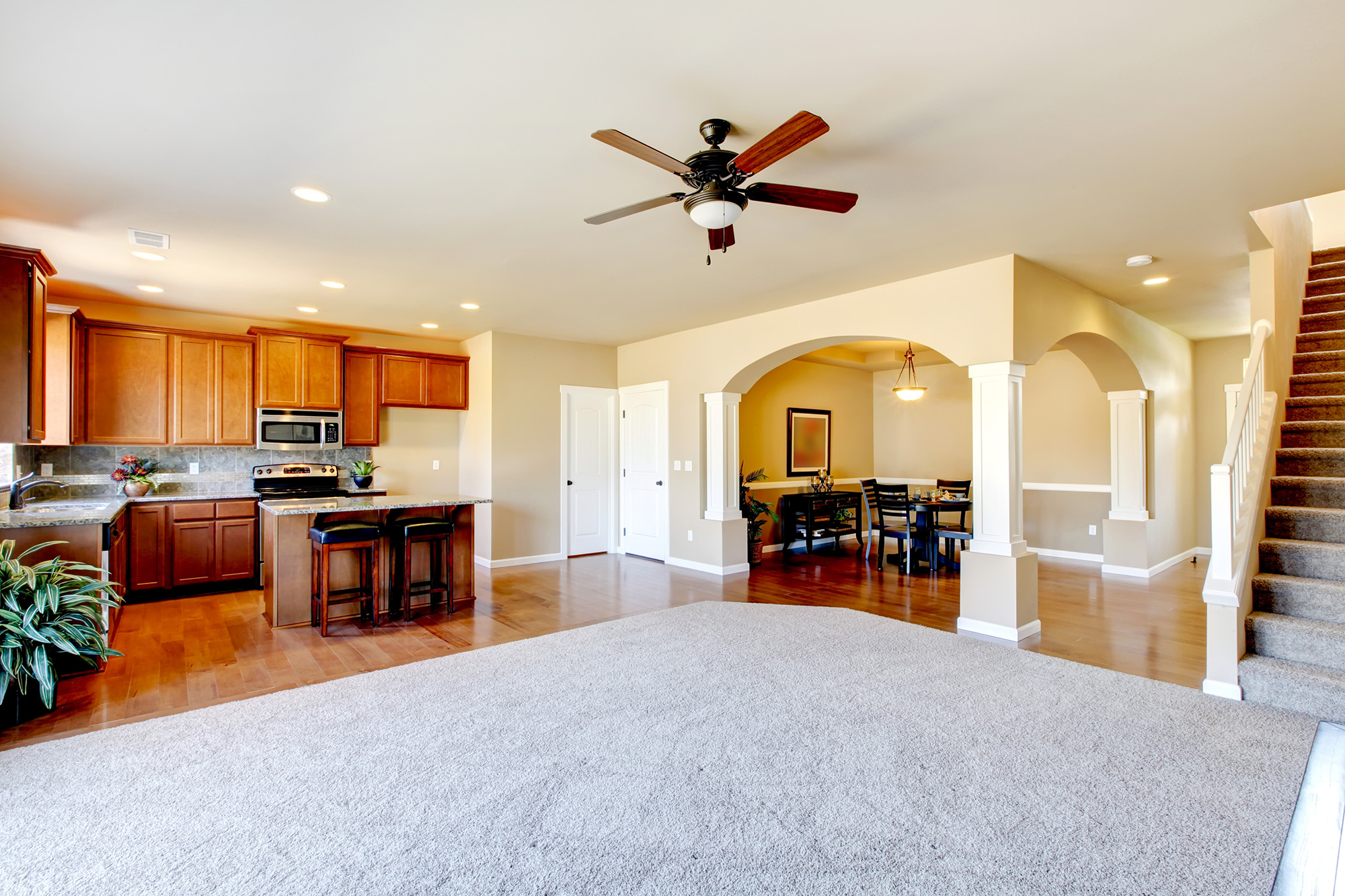
When you choose carpet for your home, color is only one part of the decision. Texture also influences how a room looks, feels, and works with your existing décor. From soft, plush surfaces to subtle patterns and defined loops, different carpet textures can help you create an interior that reflects your style while meeting your everyday needs.
As you explore carpet flooring options, consider how the texture will complement your furniture, lighting, and room layout. You can also compare hardwood flooring styles when planning how different flooring surfaces will work together throughout your home.
Use Texture to Create a Comfortable Atmosphere
The feel of carpet beneath your feet can influence how welcoming a room becomes. Plush carpet can create a soft, comfortable setting in a bedroom or relaxation area, while a more structured texture may suit a frequently used living space.
Think about how you spend time in each room before making your choice. If you enjoy sitting on the floor, a softer texture may appeal to you. If you prefer a more defined appearance that fits a busy household, a textured carpet with a lower profile may be worth considering.
Add Visual Interest Without Overwhelming the Room
Texture can make a room more interesting even when you prefer neutral colors. A carpet with subtle loops, varied pile heights, or a gentle pattern can introduce dimension without competing with your furniture or decorative accessories.
If your room already includes patterned curtains, detailed upholstery, or distinctive artwork, a simpler carpet texture can help balance the design. On the other hand, a room with minimal décor may benefit from carpet that introduces a little more visual character.
Consider How Texture Handles Everyday Use
Your carpet needs to suit the activities that take place in the room. Hallways, family rooms, and other frequently used areas may benefit from textures designed for regular foot traffic. Bedrooms and quieter spaces may give you more freedom to prioritize softness and appearance.
Remember that carpet performance depends on more than texture alone. Fiber type, construction, density, and maintenance requirements also affect how a carpet looks and performs over time. Ask about these features when comparing options so you can make an informed decision.
Coordinate Carpet With Your Existing Décor
Before selecting a carpet, look at the colors and materials already present in your space. Wood furniture, painted walls, area rugs, and window treatments can all influence how a particular texture appears. Viewing carpet samples alongside these elements can help you decide whether the finished room will feel balanced.
You can also think about transitions between connected rooms. Your carpet does not need to match every nearby surface exactly. Choosing complementary textures and finishes can create a natural connection while allowing each room to retain its own personality.
Find a Texture That Fits Your Home
The right carpet texture can bring together comfort, practicality, and visual appeal. By considering how you use a room and how its finishes work together, you can choose an option that supports your interior design goals.
If you are exploring carpet for your home in Hummelstown or Goldsboro, contact Couch Potato Carpet And Flooring to discuss your flooring options and find a style that suits your space.


